When I first stumbled upon the concept of “Guess Who” as a horror movie, I couldn’t help but feel intrigued. The idea of blending a classic game with spine-chilling suspense opens up a world of creative possibilities. Imagine the twists and turns that can unfold when trust and deception become the main players in a life-and-death scenario.
As I dug deeper into this genre-bending concept, I realized it taps into our primal fears of the unknown. It challenges our instincts about who to trust and forces us to confront the darkness lurking beneath familiar faces. Join me as we explore how “Guess Who” transforms into a gripping horror experience, revealing the sinister side of human nature and the games we play.
Key Takeaways
- Genre Fusion: “Guess Who” as a horror movie merges elements of suspense and psychological tension, transforming a familiar game into a chilling narrative.
- Exploration of Trust: The film delves into the fragility of trust and the devastating consequences of betrayal, highlighting how these themes escalate the tension.
- Character Dynamics: Each character represents distinct traits, with paranoia serving as a driving force that distorts perceptions and impacts decision-making.
- Cinematic Techniques: Effective direction and sound design amplify the horror experience, using close-ups, low lighting, and eerie soundscapes to cultivate a sense of dread.
- Mixed Reception: Audience reactions vary from appreciation for the innovative concept to criticism of pacing issues, highlighting the polarizing nature of the film’s execution.
Overview of Guess Who Movie Horror
The horror adaptation of “Guess Who” creatively blends elements of suspense and psychological tension. The film transforms the game’s familiar setup into a chilling narrative filled with unexpected outcomes. It leverages themes of trust and betrayal, compelling characters to navigate a terrifying environment where their instincts are constantly put to the test.
Characters find themselves in a deadly game, where identifying the killer becomes a race against time. The horror movie format intensifies the stakes, as each character’s secrets unravel under pressure. Viewers experience a visceral connection with the protagonists, heightening empathy in moments of vulnerability.
The film’s structure echoes the game’s mechanics, employing visual clues and strategic reveal moments that amplify tension. As the game unfolds, it explores the darker sides of human behavior, revealing how paranoia can distort perceptions. The horror adaptation of “Guess Who” delves deep into primal fears, making for a chilling cinematic experience that lingers long after the credits roll.
Plot Summary
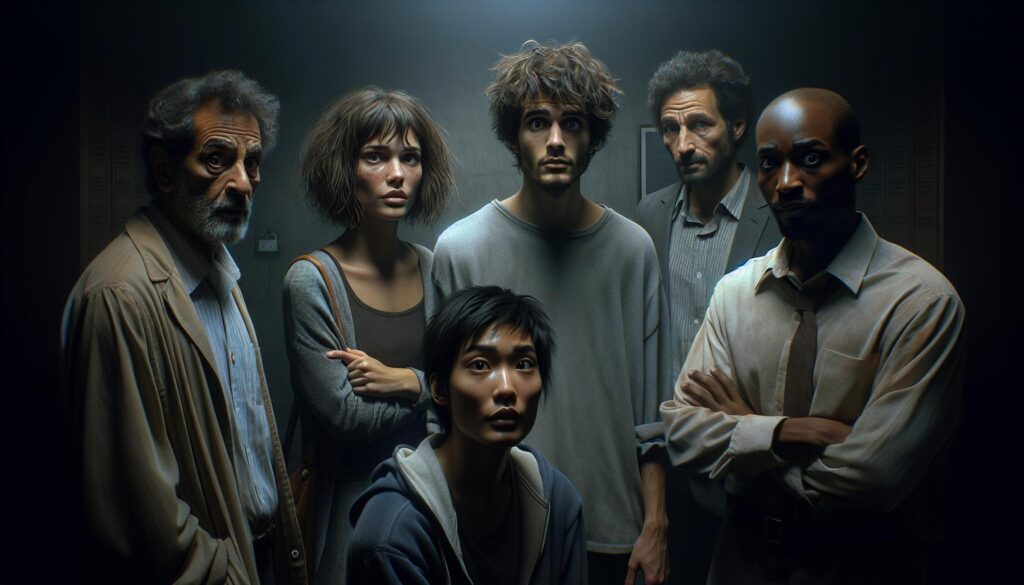
The horror adaptation of “Guess Who” immerses viewers in a world where trust is a dangerous game. Characters must navigate a suspenseful narrative filled with chilling revelations and high stakes, centered on identifying a killer among them.
Main Characters
- Alex – The protagonist, burdened by past trauma, seeks to uncover the truth while dealing with intense paranoia.
- Jamie – The skeptic, who questions the group’s motives and struggles with the growing tension among characters.
- Sam – The jokester, whose lighthearted persona becomes increasingly dark as the stakes rise.
- Morgan – The quiet observer, whose secrets may hold the key to survival, adding layers of complexity to the narrative.
- Riley – The manipulative mastermind, whose deception drives the plot forward and tests group loyalties.
- Trust and Betrayal – The film explores how fragile trust can be and the devastating effects of betrayal in dire situations.
- Paranoia – Characters experience heightened paranoia, distorting their judgment and leading to lethal misunderstandings.
- Identity – The movie examines the concept of identity, questioning who one really is in the face of survival.
- Survival Instincts – Tension arises as characters’ survival instincts clash with their moral compasses, leading to critical choices.
- Isolation – The setting instills a sense of isolation, amplifying fear as characters face the killer without external help.
Cinematic Techniques
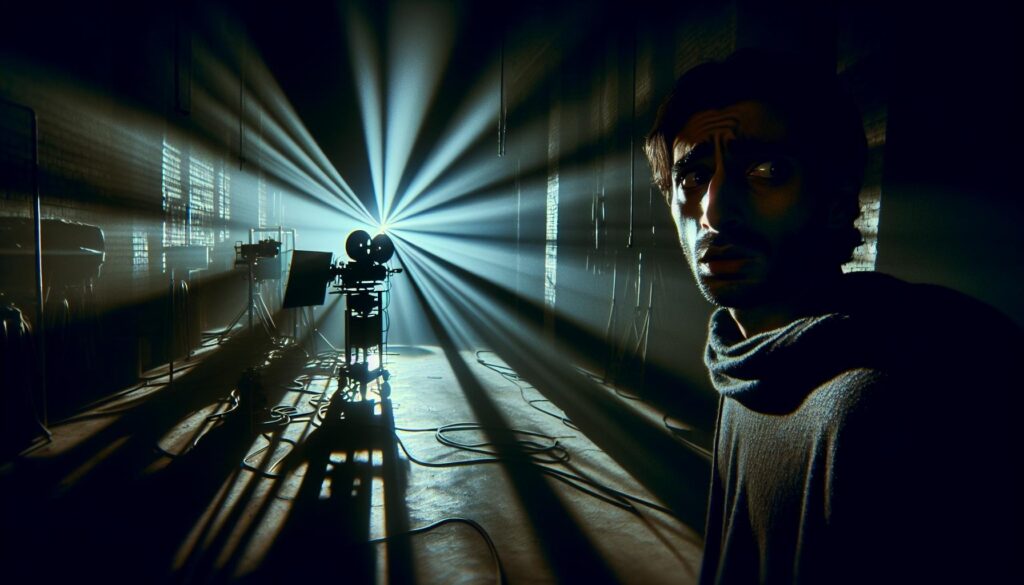
Cinematic techniques enhance the horror experience in “Guess Who.” They cultivate an atmosphere of tension and dread that resonates with the film’s themes of trust and deception.
Direction and Cinematography
Direction and cinematography play crucial roles in shaping the film’s suspenseful narrative. Close-up shots intensify emotional resonance, drawing viewers into characters’ inner turmoil. Dynamic camera movements create unease, mimicking the characters’ disorientation. Low lighting establishes a foreboding ambiance, obscuring threats and augmenting paranoia. Strategic framing, especially during critical reveal moments, highlights the uncertainty surrounding characters’ loyalties. These visual techniques blend with the narrative structure to evoke a sense of urgency, compelling audiences to question who they can trust.
Sound Design
Sound design significantly contributes to the film’s horror elements. Eerie soundscapes establish tension, with subtle sound cues amplifying feelings of dread. Dissonant background music underscores moments of suspense, drawing viewers deeper into the psychological turmoil of the characters. In key scenes, silence heightens anxiety, forcing focus on characters’ reactions and building anticipation. Sudden auditory shocks, such as unexpected screams or crashes, jolt the audience, maintaining a constant state of unease throughout the narrative. Effective sound design intertwines with visual techniques to craft a chilling atmosphere that lingers long after the movie ends.
Reception and Critique
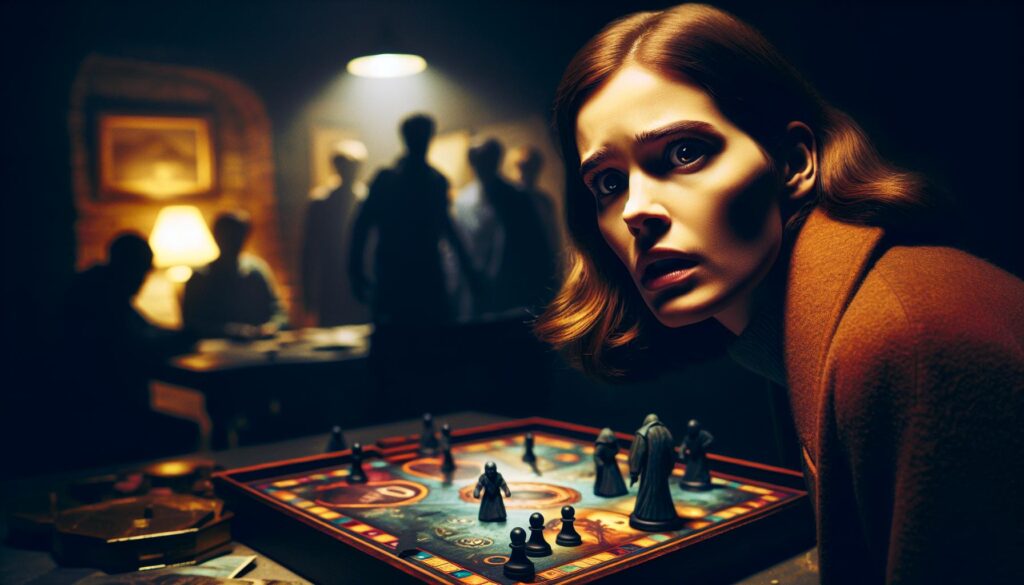
The reception of the horror adaptation of “Guess Who” has been a blend of intrigue and skepticism. Viewers express varied reactions to the film’s unique take on the classic game, impacting its overall critical reception.
Audience Reactions
Audience reactions vary significantly, with many viewers praising the inventive concept and suspenseful execution. Fans of horror appreciate the emphasis on paranoia, as characters grapple with trust issues in high-stakes situations. Comments highlight the tension generated through character dynamics, creating a relatable sense of fear that resonates with audiences. However, some viewers criticize pacing issues, suggesting moments of tension fade between key plot points. In online discussions, many share their appreciation for characters’ depth, enhancing emotional investment in the story.
Critical Reviews
Critical reviews offer mixed insights, with some critics lauding the film’s fresh perspective on horror. Reviewers commend the effective use of cinematography and sound design in creating an unsettling atmosphere. The sharp character development earns praise for grounding the narrative in relatable human emotions. Nonetheless, other critics point out narrative weaknesses, arguing that the film occasionally leans too heavily on genre tropes. Critics emphasize the balance between suspense and storytelling; strong moments of tension sometimes get overshadowed by predictable plot twists. Overall, the film receives recognition for its ambitious attempt to blend familiar gameplay with horror elements, sparking engaging discussions in film circles.
Transforming “Guess Who” into a horror movie opens up a world of thrilling possibilities. It’s fascinating to see how the game’s core elements of trust and deception can create a suspenseful narrative that keeps viewers on the edge of their seats. The blend of psychological tension and chilling revelations challenges us to rethink our instincts about loyalty and betrayal.
As I reflect on the characters and their complex dynamics, I can’t help but appreciate the depth this adaptation brings to the horror genre. The chilling atmosphere crafted through cinematography and sound design enhances the overall experience, making it a memorable film that lingers in the mind. Whether you’re a fan of horror or just curious about innovative storytelling, this film offers a captivating exploration of fear and human nature that’s hard to ignore.