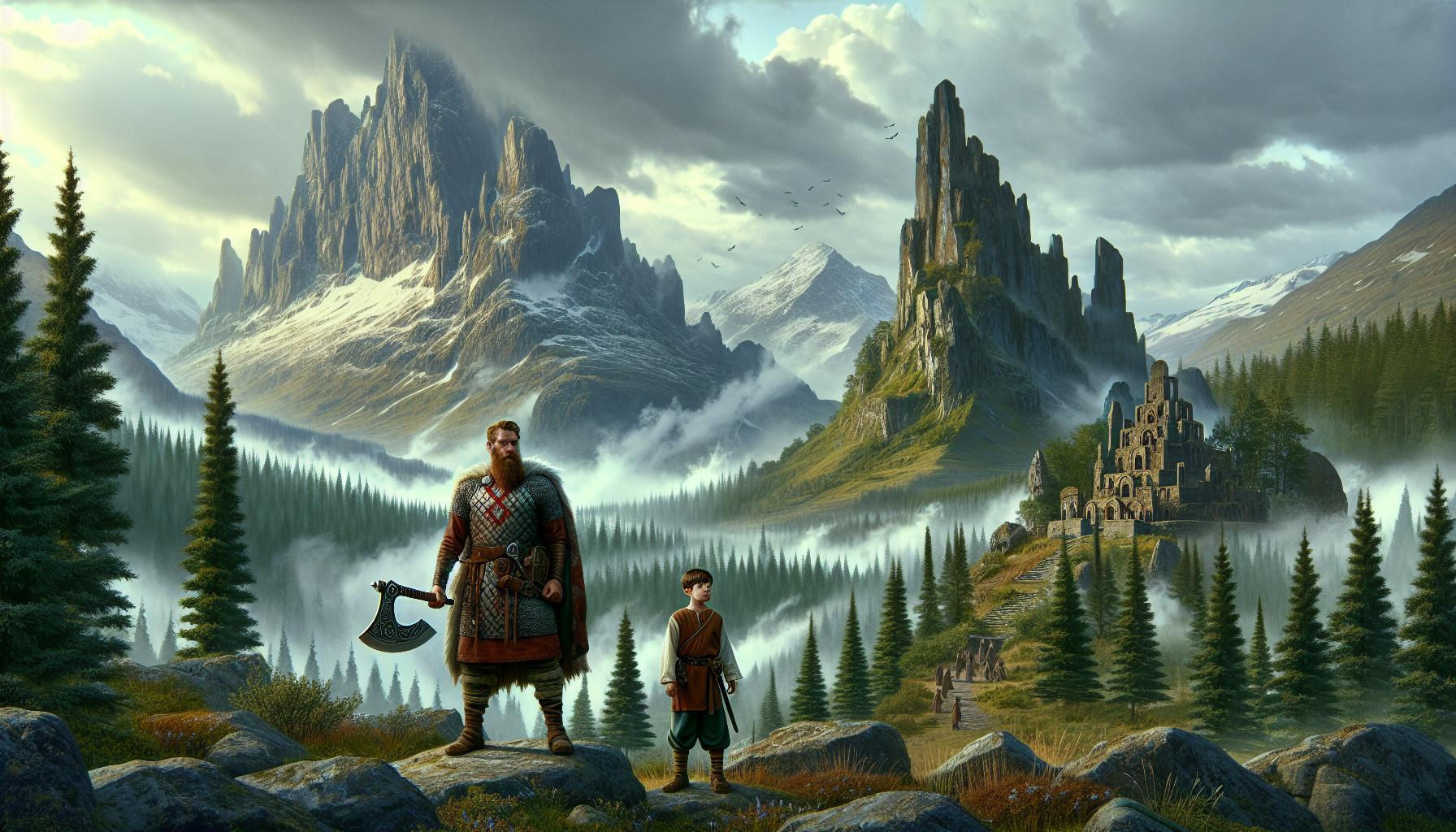
When I think about the God of War series, I can’t help but marvel at its evolution. What started as a hack-and-slash adventure has transformed into a rich narrative experience that blurs the lines between genres. But one question keeps popping up: is God of War an RPG?
As I dive into this debate, I’ll explore the elements that define role-playing games and how they intertwine with the mechanics and storytelling of God of War. From character development to world-building, the game offers layers that might just qualify it for RPG status. Let’s unravel this intriguing question together and see what makes God of War stand out in the gaming landscape.
Key Takeaways
- Genre Blurring: God of War merges action-adventure and RPG elements, showcasing a transformation from a hack-and-slash format to a narrative-rich experience.
- Character Development: The game features significant character progression, allowing customization and growth for both Kratos and Atreus, akin to traditional RPG mechanics.
- Engaging Narrative: God of War boasts a strong storyline with themes of fatherhood and mythological depth, paralleling the immersive storytelling found in many RPGs.
- Exploration Dynamics: Players navigate expansive environments filled with lore and collectibles, emphasizing exploration in a manner similar to RPGs.
- Combat Mechanics: The fast-paced combat system differentiates God of War from conventional RPGs, which often rely on turn-based or strategy-oriented mechanics.
- Limited Player Choices: While choices influence character dynamics, they lack the depth of decision-making found in more traditional RPGs like The Witcher series or Mass Effect.
Understanding RPGs
RPGs, or role-playing games, immerse players in extensive narratives, allowing for character development and world exploration. Understanding their defining traits helps assess whether God of War fits this genre.
Definition of RPGs
RPGs are interactive games where players assume the roles of characters and influence their narratives. Typically, players control a single character or a party, making choices that impact the game’s storyline and character dynamics. The genre emphasizes player agency and often involves leveling up characters through experience points, enabling customization and growth.
- Character Development: RPGs often feature extensive character growth through skill upgrades, attribute enhancements, and personalized traits. Players can tailor characters to fit their playstyles.
- Narrative Depth: Engaging stories, filled with quests and moral choices, are central to RPGs. The storyline often branches based on player decisions, creating unique experiences.
- World Exploration: RPGs offer expansive worlds filled with interaction opportunities, such as NPCs, side quests, and hidden treasures. Players typically explore varied environments, enhancing the overall experience.
- Turn-Based or Real-Time Combat: Combat systems vary within RPGs, utilizing either turn-based mechanics or real-time engagement. Both styles allow for strategy and the development of player skills.
- Inventory and Equipment Management: RPGs often incorporate complex inventory systems where players manage weapons, armor, and items. This aspect adds a layer of strategy and customization to gameplay.
- Leveling System: Most RPGs feature a leveling system that rewards players with abilities and resources as they progress. This system motivates players to engage deeply with the game.
Understanding these characteristics establishes a clear framework for analyzing the God of War series’ classification within the RPG genre.
Overview of God of War
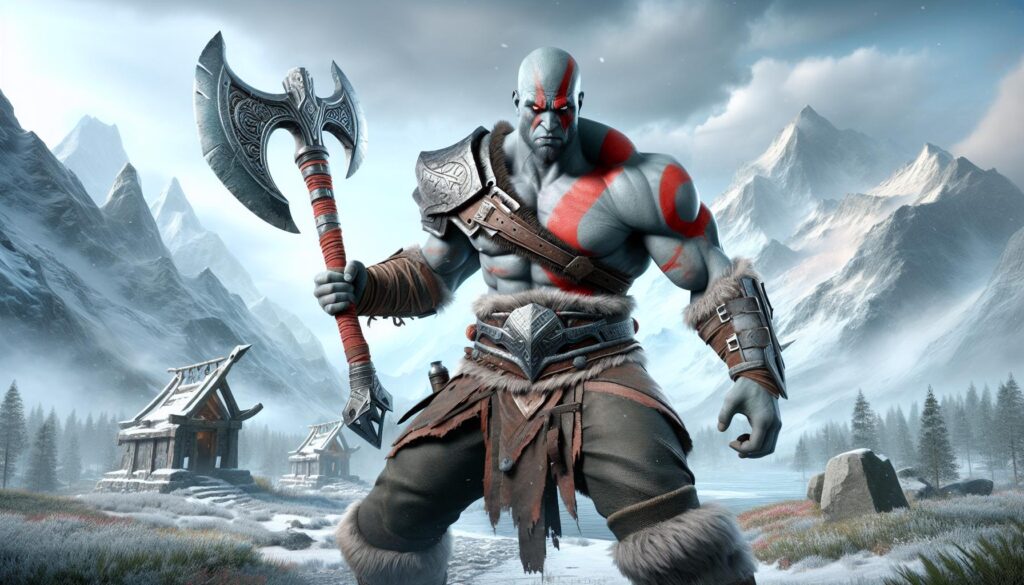
The God of War series has undergone significant changes since its inception in 2005. This overview highlights the game’s release history and gameplay mechanics, clarifying its position in the gaming landscape.
Release History
The original God of War debuted on March 22, 2005, for PlayStation 2. This action-adventure title set the stage for sequels, including God of War II (2007), God of War III (2010), and the prequel God of War: Ascension (2013). In 2018, a major reboot was released, simply titled God of War, shifting the focus to Norse mythology and introducing Kratos’s son, Atreus. This installment expanded the audience and garnered critical acclaim for its storytelling and character development. A sequel, God of War Ragnarök, launched on November 9, 2022, continuing the narrative and further evolving the gameplay mechanics.
Gameplay Mechanics
Gameplay in God of War combines action, exploration, and RPG elements. Players control Kratos, engaging in visceral combat using weapons like the Leviathan Axe and Blades of Chaos. The combat system emphasizes fluidity and combos, rewarding skillful play. Unlike traditional RPGs, character progression is primarily linear, but collects resources and experience points to upgrade abilities and weapons.
Exploration plays a vital role, with players navigating expansive environments filled with puzzles and collectibles. Each region contains lore and side quests, enhancing world-building. Inventory management includes crafting items and upgrading gear, supporting player customization. While God of War features narrative depth and character growth, its core mechanics lean toward action-adventure rather than full RPG classification.
The series offers a unique blend of narrative-driven gameplay and action mechanics, raising questions about its classification. I’ll further analyze these aspects to understand how they align with RPG characteristics.
Analyzing God of War as an RPG
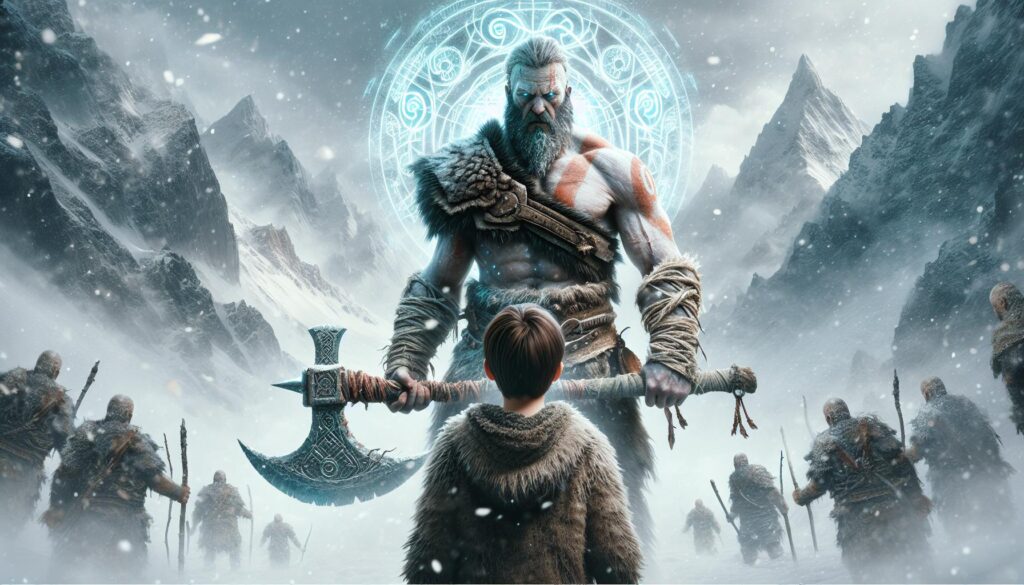
Exploring God of War’s classification as an RPG requires a closer look at its character development, storytelling elements, and the impact of player choices on the narrative. Each of these aspects plays a crucial role in determining the game’s connection to the RPG genre.
Character Development
Character development in God of War centers around Kratos and his son, Atreus. The game features a progression system that allows players to unlock new abilities and enhancements, reflecting growth. Players can customize Kratos with various armor sets, runes, and upgrades that influence combat performance. Atreus also evolves throughout the game, gaining combat skills and narrative depth. This dual progression showcases a level of character growth typical in RPGs, although it remains grounded in action-oriented gameplay.
Storytelling Elements
Storytelling serves as a significant element in God of War’s design. The narrative unfolds through well-crafted cutscenes, environmental storytelling, and character dialogues. Themes of fatherhood, loss, and legacy resonate, creating an emotional connection between players and the characters. The game immerses players in Norse mythology while allowing them to witness character arcs develop through interactions and events. This narrative sophistication aligns with RPG traditions, where stories often guide player experience.
Choice and Consequence
While God of War doesn’t offer extensive branching narratives, it presents moments where player choices affect character dynamics. Decisions made during combat and exploration influence Kratos and Atreus’s relationship. The choices regarding combat strategies and puzzle solutions contribute to the player’s unique experience, though they lack the depth found in traditional RPGs. This blend of action and light choice elements shapes gameplay, emphasizing emotional and narrative consequences rather than distinct story branches.
Comparisons with Other RPGs
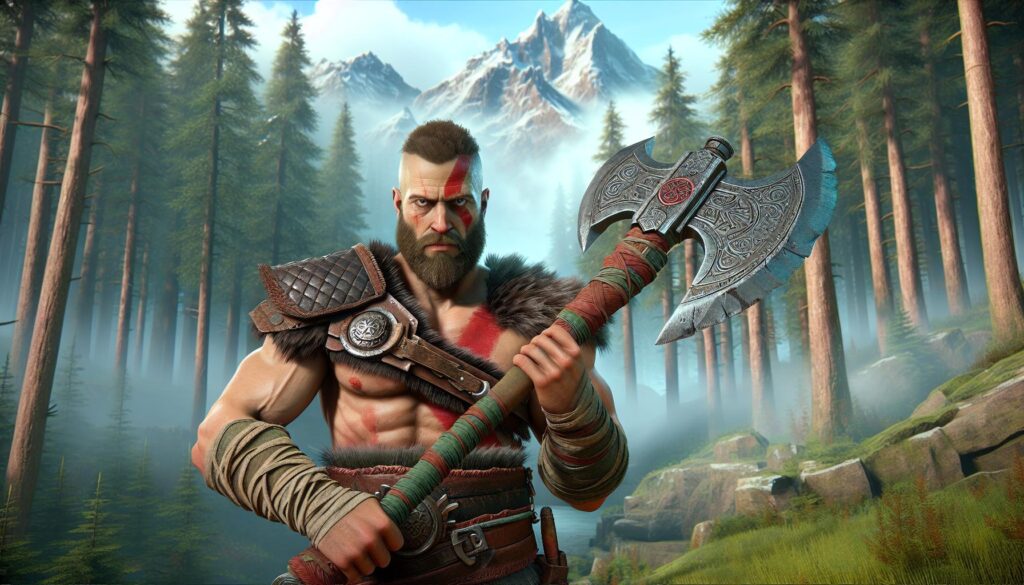
I explore the comparisons of God of War with other RPGs, focusing on the similarities and differences that shape its identity within the genre.
Similarities
- Character Progression: God of War features a robust character progression system, allowing me to enhance Kratos and Atreus’s abilities through skill trees and upgrades. This mirrors RPG mechanics where character growth is crucial.
- Narrative Depth: The game offers a strong narrative, focusing on themes like fatherhood and destiny. RPGs often present immersive stories that engage players, much like God of War’s complex plot and character interactions.
- Exploration Elements: In God of War, exploration plays a vital role, with expansive environments filled with secrets and collectibles. Many RPGs emphasize exploration, rewarding players for discovering hidden areas and lore.
- Combat Focus: God of War’s combat system emphasizes fast-paced action over traditional turn-based mechanics found in many RPGs. This action-oriented approach sets it apart from more typical RPG combat styles.
- Limited Choices: While player choices in God of War impact narrative dynamics, they’re less extensive than those in RPGs like The Witcher or Mass Effect, where choices significantly alter storylines.
- Inventory Management: God of War streamlines inventory management compared to classic RPGs that feature complex systems for item collection, equipment, and resource management. This simplification aligns more with action-adventure games.
God of War stands out as a unique blend of action-adventure and RPG elements. While it excels in character development and narrative depth, its core mechanics lean more towards fast-paced combat rather than traditional RPG gameplay. I appreciate how the series has evolved to incorporate rich storytelling and character growth, yet it doesn’t fully embrace the extensive world-building and player choice typical of classic RPGs.
Ultimately, God of War offers a compelling experience that resonates with fans of both genres. It may not fit neatly into the RPG category, but its ability to engage players through emotional narratives and character progression makes it a standout title in the gaming landscape. Whether you see it as an RPG or not, it’s hard to deny the impact it has on storytelling in video games.